Picture this: you’re sitting on your balcony with a cup of coffee. The birds are chirping… but so is that leaf blower. Somewhere in the background, traffic rumbles steadily. Maybe you’ve gotten used to it. Or maybe — just maybe — you’re living in a place that’s a little too loud. But how loud is too loud? And what can you actually do about it? Let’s break it down — in plain language, with some real tools and tips you can use right away.
What the Heck Is a Decibel?
We all know the word, but not many of us could say what a decibel really means. So here’s the short version: it is the unit used to describe how loud a sound is — from the softest sound a human ear can hear, through a quiet library and normal conversation, up to lawnmowers, heavy traffic and rock concerts.
The decibel scale is logarithmic. Small steps on the scale are clearly noticeable to your ears, and a step that sounds “twice as loud” is much smaller on paper than most people expect.
Here’s a quick video that shows how small changes in level sound.
Noise Is More Than Just Annoying
Constant noise does more than interrupt your Netflix session. Over time, it can impact your health:
- Stress and anxiety
- Trouble sleeping
- Higher risk of heart problems
- Learning problems in kids
This short video explains the risks and how we are constantly exposed to noise and how longer noise exposure is more harmful.
How Loud Should It Be Where You Live?
The World Health Organization (WHO) publishes recommended limits for environmental noise — with a stricter value for the night than for the day.
Check the WHO guidelines here (in German). If you search the web you will find plenty of material about local regulations and measures. It is worth the effort checking on the situation in your neighborhood.
Test It Yourself — With Your Phone
Due to increasing traffic the noise exposure has changed significantly in some areas. Check how it affects you! You don’t need fancy equipment to find out how loud your surroundings are. Try one of these apps:
Take readings at different times and locations — especially near windows or busy streets. You might be surprised!
Now What? Understanding Real Noise Protection
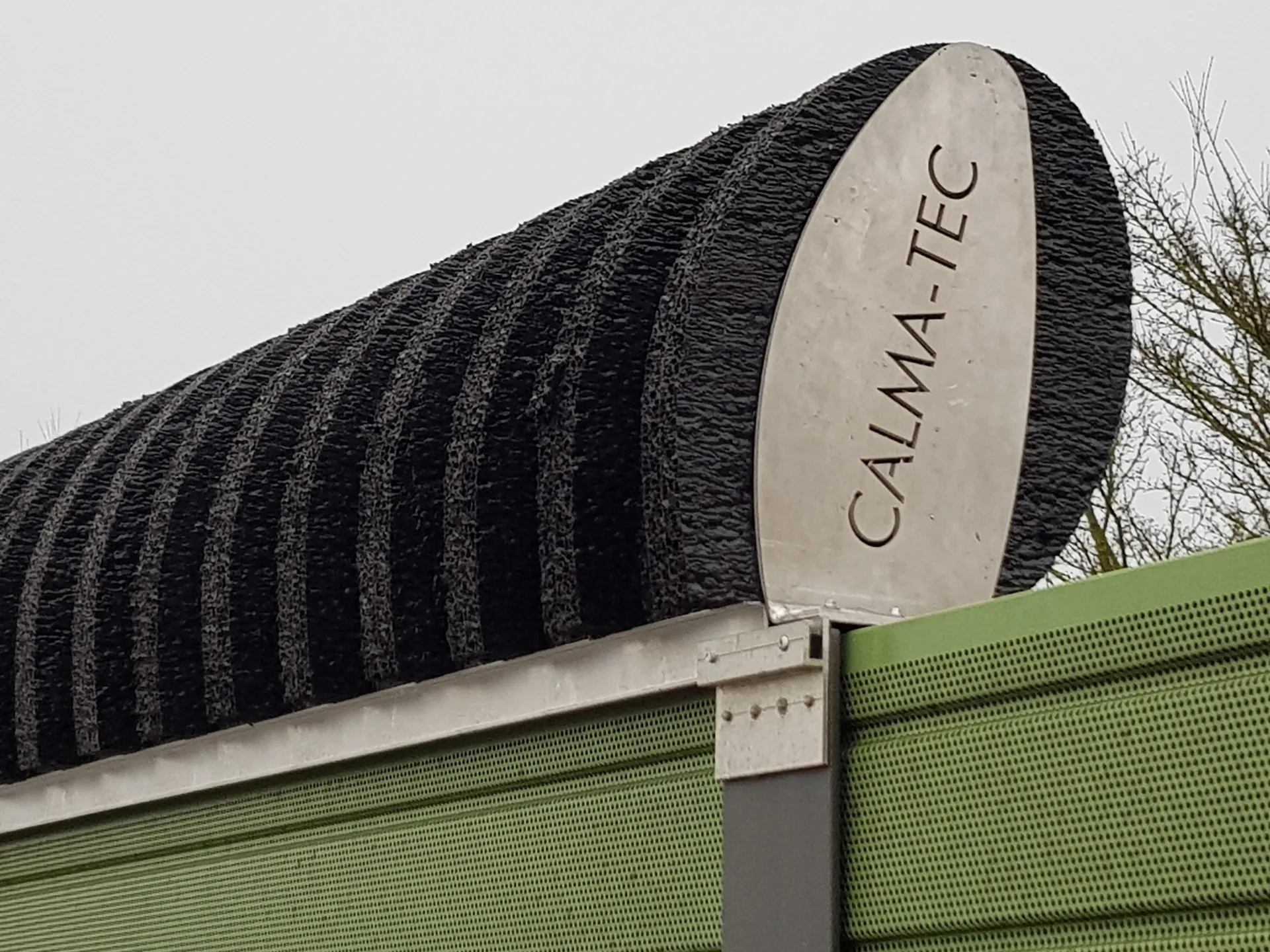
If your readings are above the WHO recommendations, don’t ignore it! Effective noise protection makes a big difference. Top-edge elements like CALMA-TEC PIN can make an existing barrier more effective and help reduce constant noise exposure where people live. What PIN achieves on a specific wall is always assessed individually.
Why This Matters
We track air quality, sleep cycles, and steps — but not sound? Time to change that. You deserve peace and quiet. Or at the very least, to know when you’re not getting it. If the sound levels are too high, speak up. Measure it. Compare it and talk to your local authorities and tell them there is something that can be done!
CALMA-TEC is here to help improve any existing noise barriers or deliver systems that actually work!