
01
Effective
Measurable impact where it matters.
Noise protection must deliver real acoustic benefits. We believe in independently measured performance and close collaboration with acoustic engineers.
Our story
CALMA-TEC began with a technical challenge and the determination to find better solutions for noise protection. Today, that experience is focused on one place: the top edge of the noise barrier.
Where it began
DI Wolfgang Brunbauer, an architect, designer and urban planner, dedicated a considerable part of his professional life to developing new approaches to noise protection.
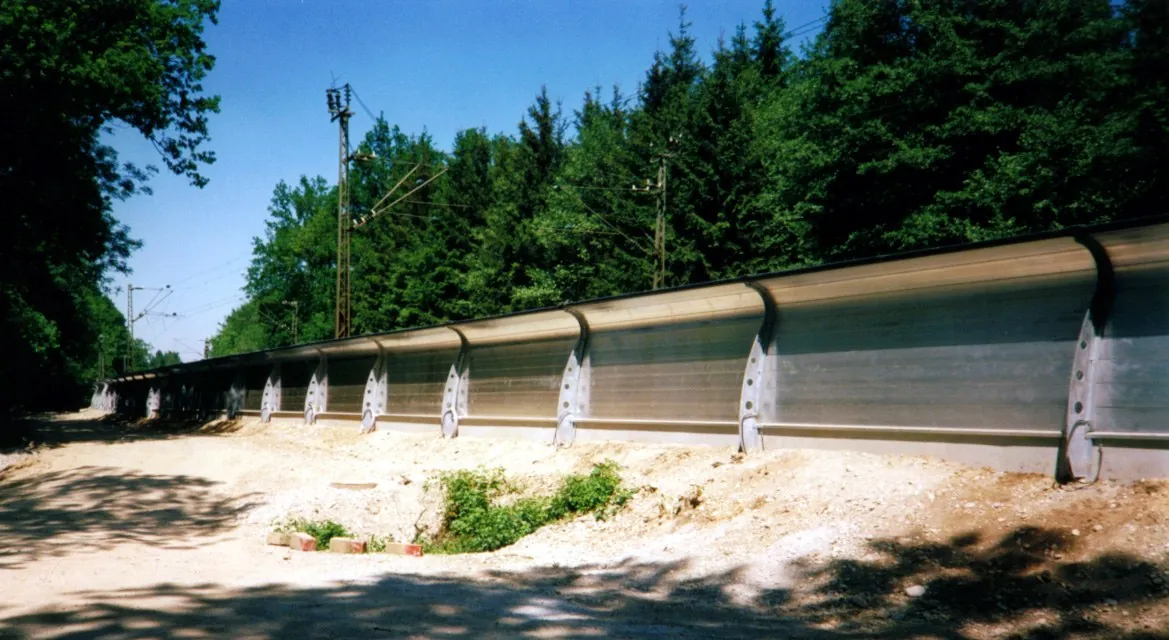
In 1998, the first "CALMA-TEC" noise barrier reflecting this philosophy was built in Brannenburg, Germany. Lower walls, innovative construction methods and new materials marked the beginning of more than 25 years of research, development and practical experience.
Milestones
1998
Built in Brannenburg, Germany. Lower walls, new construction methods and new materials — the beginning of everything that followed.
2003
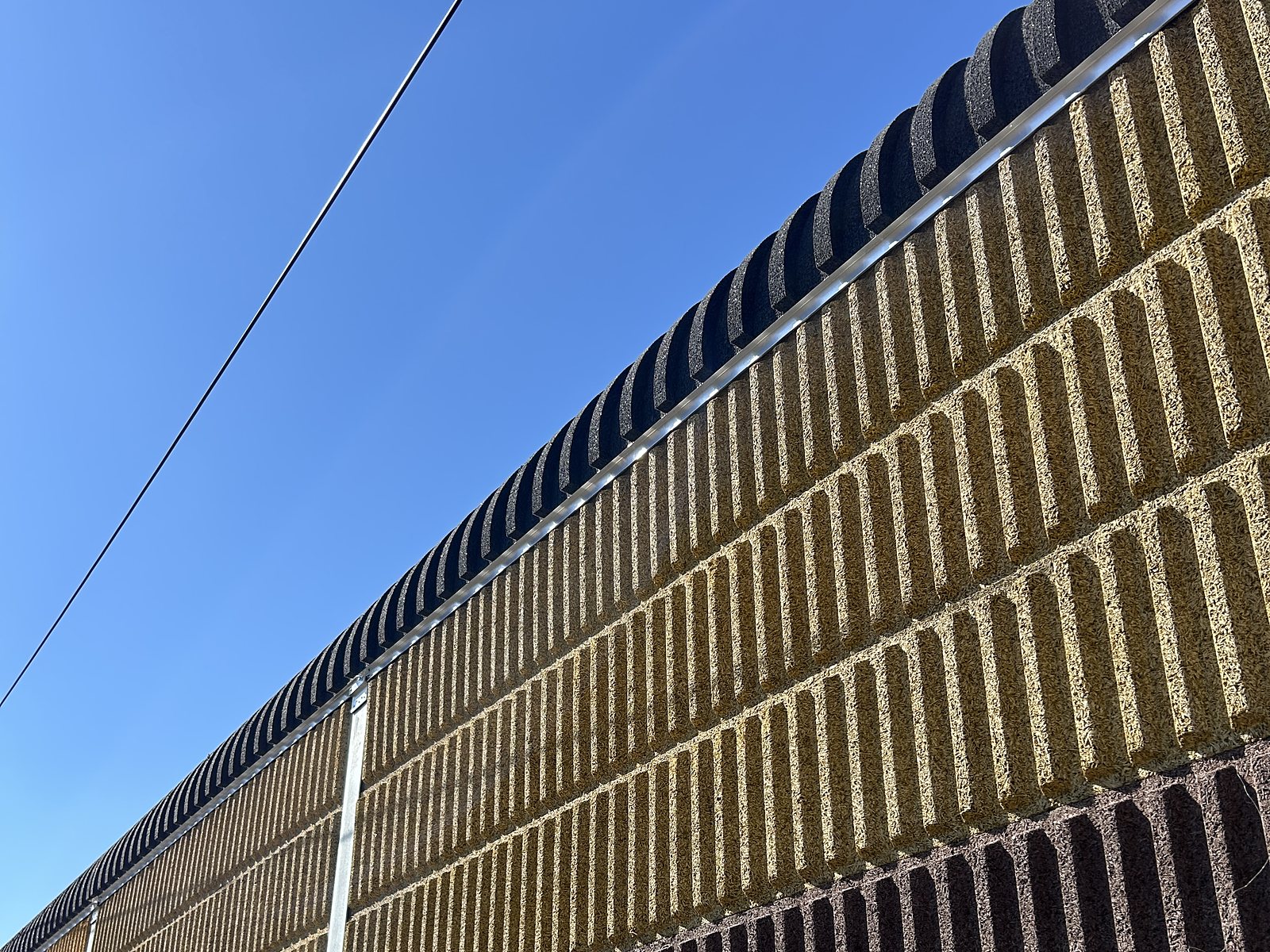
The work gets its own company, in Mödling near Vienna, where CALMA-TEC is based to this day. In the same year, an EU-funded research project with partners from five countries starts. From rounded and curved wall tops, the idea of a compact element at the top edge emerges — the origin of PIN.

2008
In October 2008, the first PIN elements are mounted on an existing noise barrier on the A2 motorway near Laxenburg, Austria, for ASFINAG — with measurements before and after installation. It is also the year Lukas Brunbauer joins the company.
2011
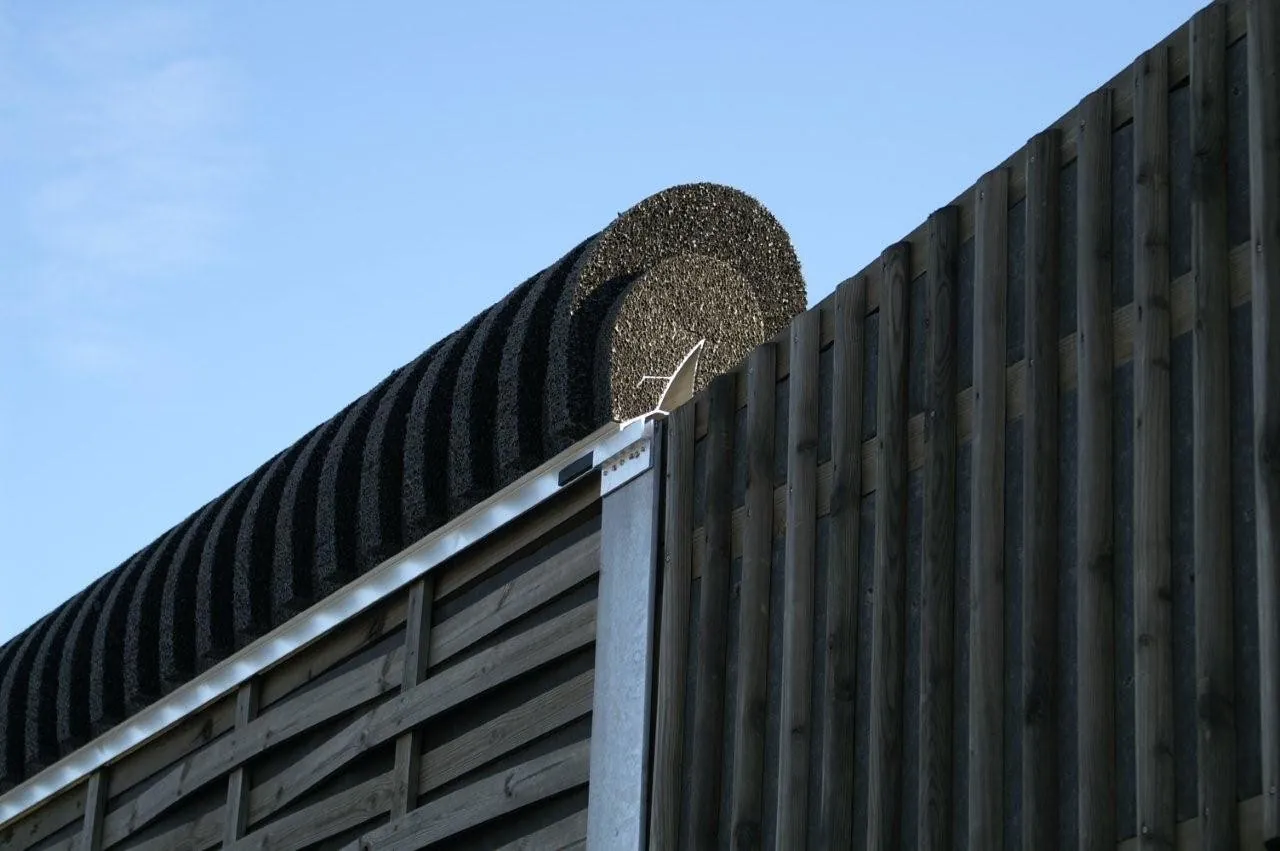
In autumn 2011, PIN is mounted on a railway noise barrier for the first time — adapted specifically for rail, in a comparative trial near Rosenheim, Germany.
2011
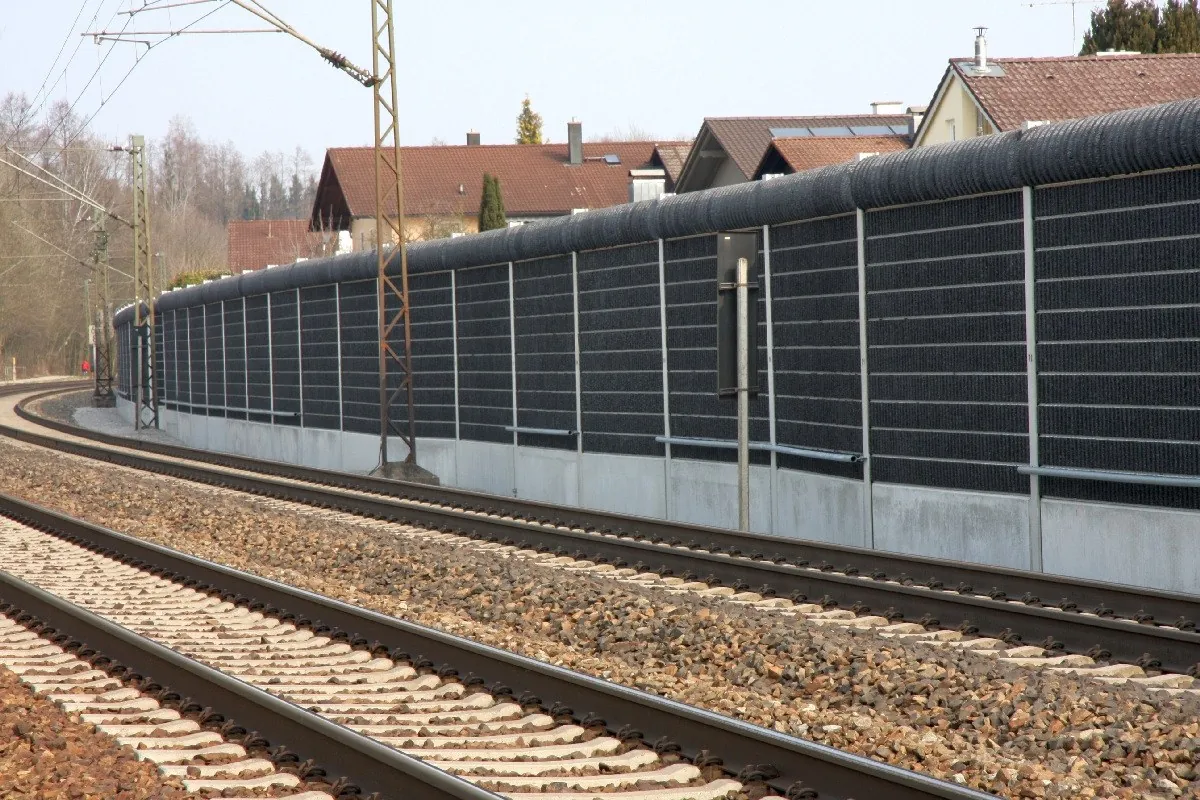
On a motorway bridge on the M5 near Szeged, PIN is mounted on a low, transparent noise barrier — keeping the view from the bridge open.
2012
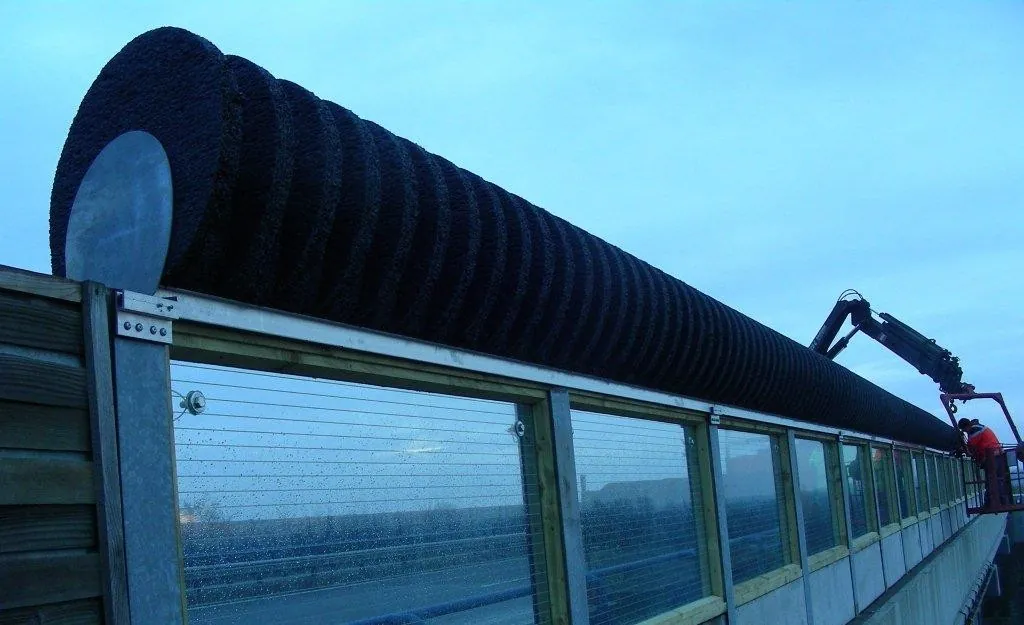
On an urban motorway near Basel, PIN is retrofitted on an existing wall next to residential gardens — mounted within two days, without new foundations.
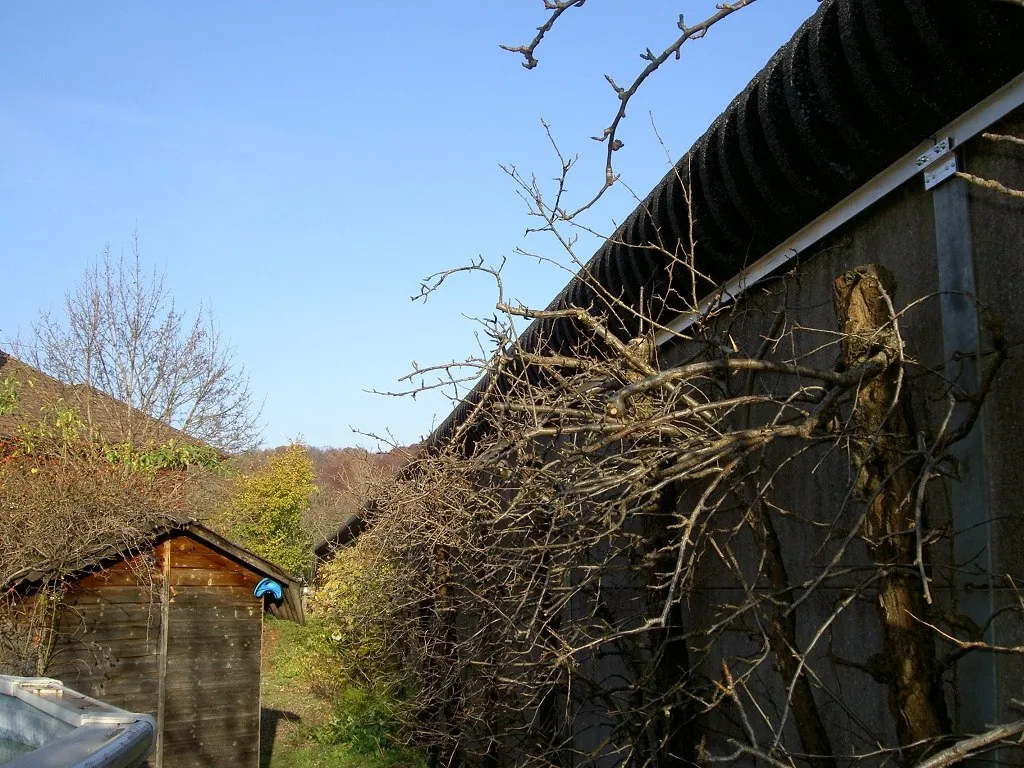
2015
In a tender judged on quality, PIN is chosen to retrofit existing noise barriers along the M0 ring road around Budapest, Hungary — the start of a series of projects on this route.
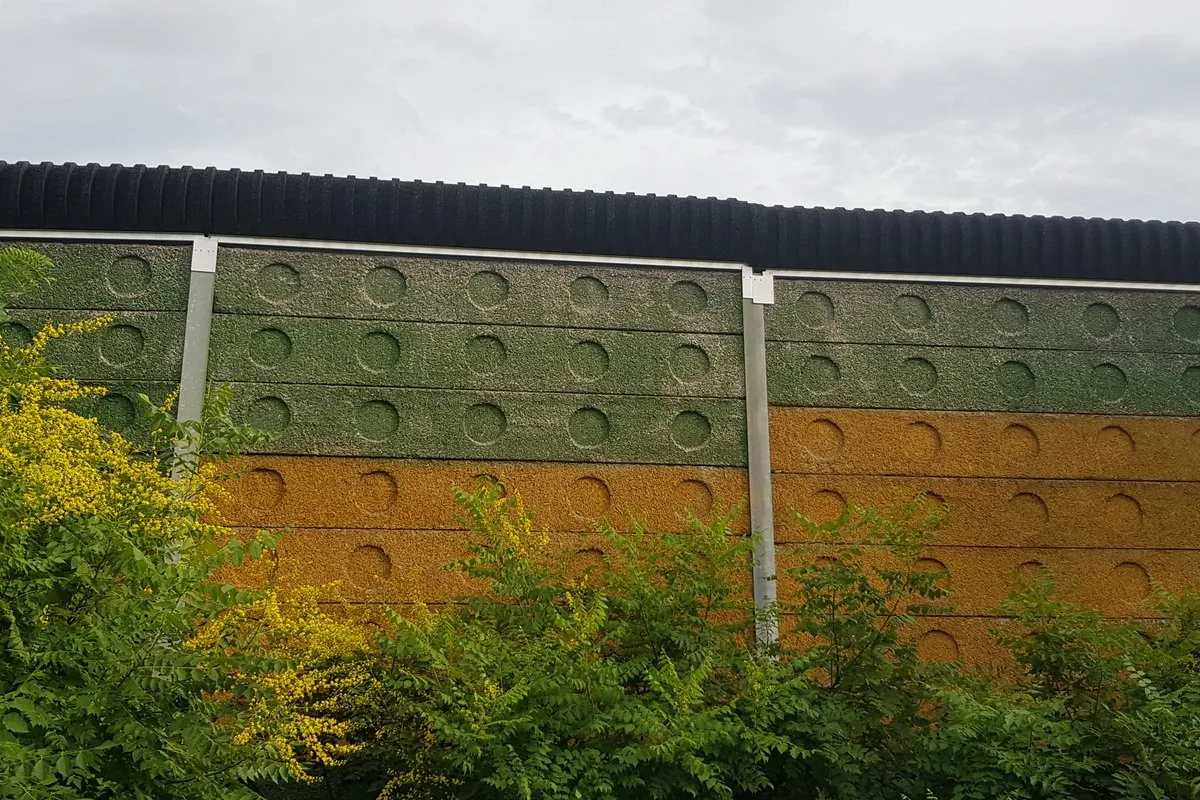
2017
CALMA-TEC is commissioned to retrofit the noise barriers of a motorway valley bridge on the A7 in Hesse, Germany — about one kilometre long and 30 metres above the ground. PIN is mounted in early 2018.
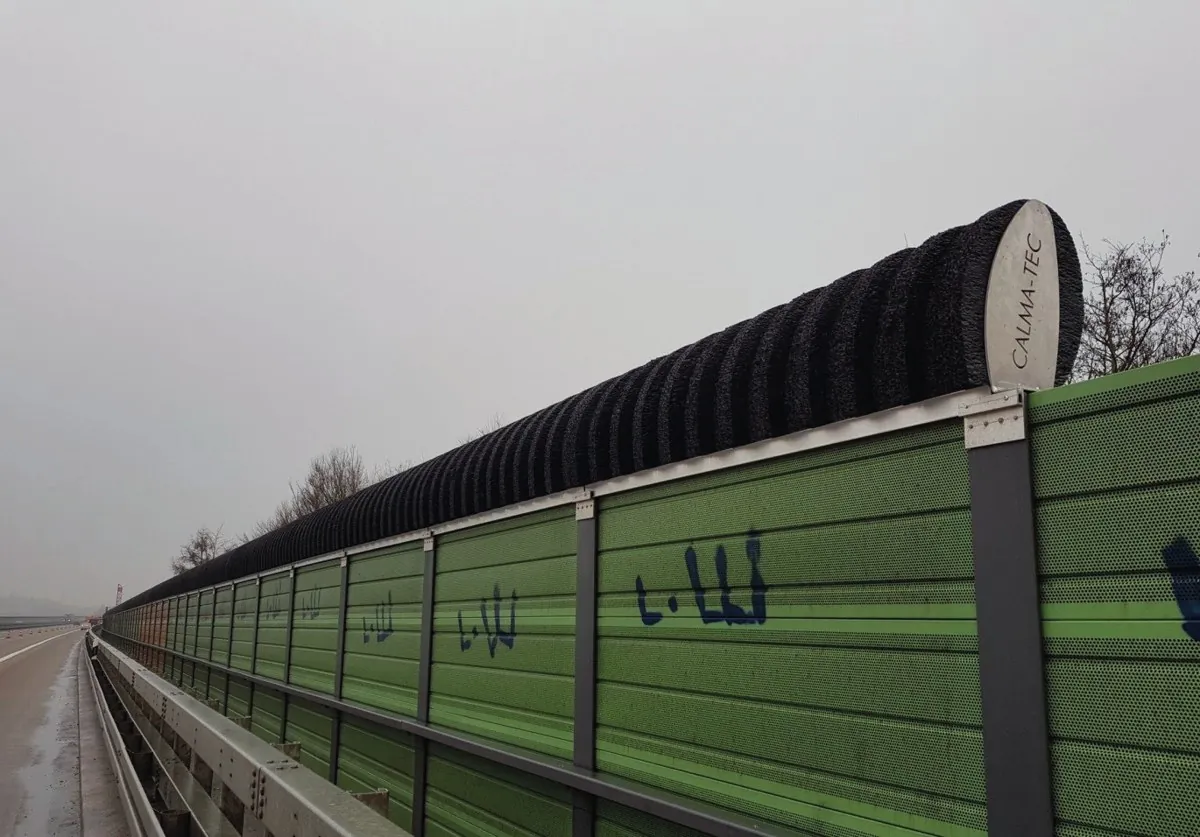
2020
A new noise barrier along the SS38 in South Tyrol is built with PIN on its crown.
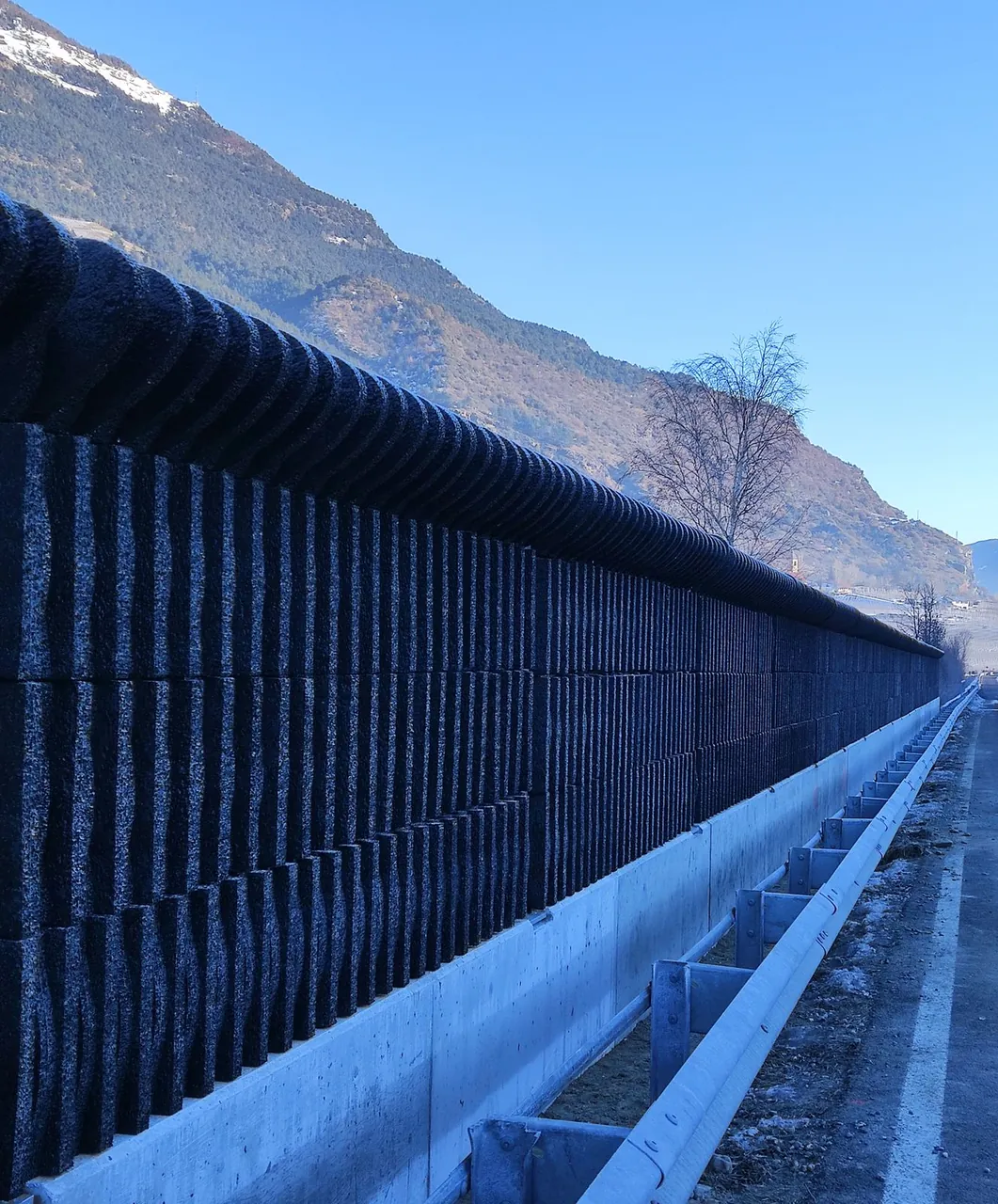
2021
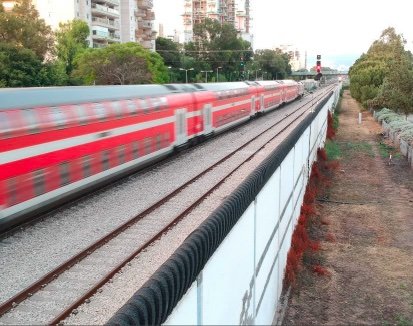
PIN samples are mounted on an existing noise barrier on a railway line in northern Israel and tested under harsh climate conditions.
2022
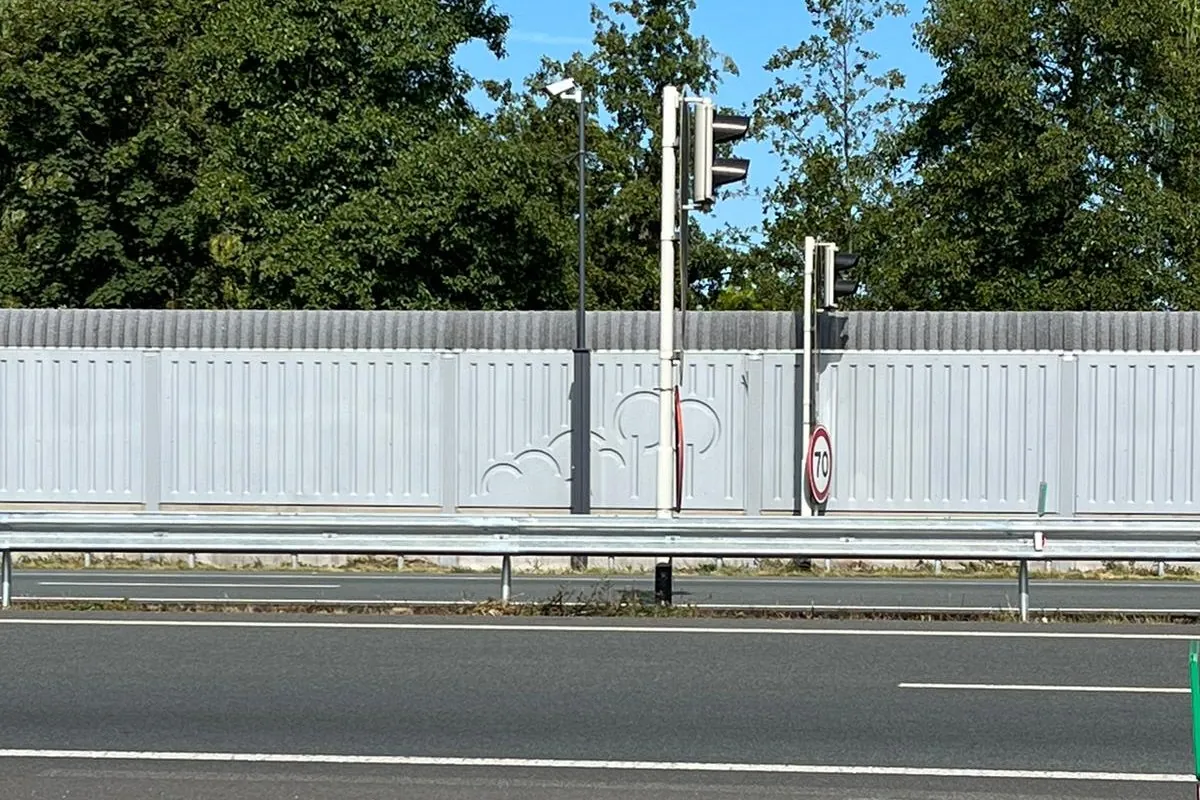
PIN is supplied for the noise barriers along the A348 near Velp — in grey, as requested by the client.
2024
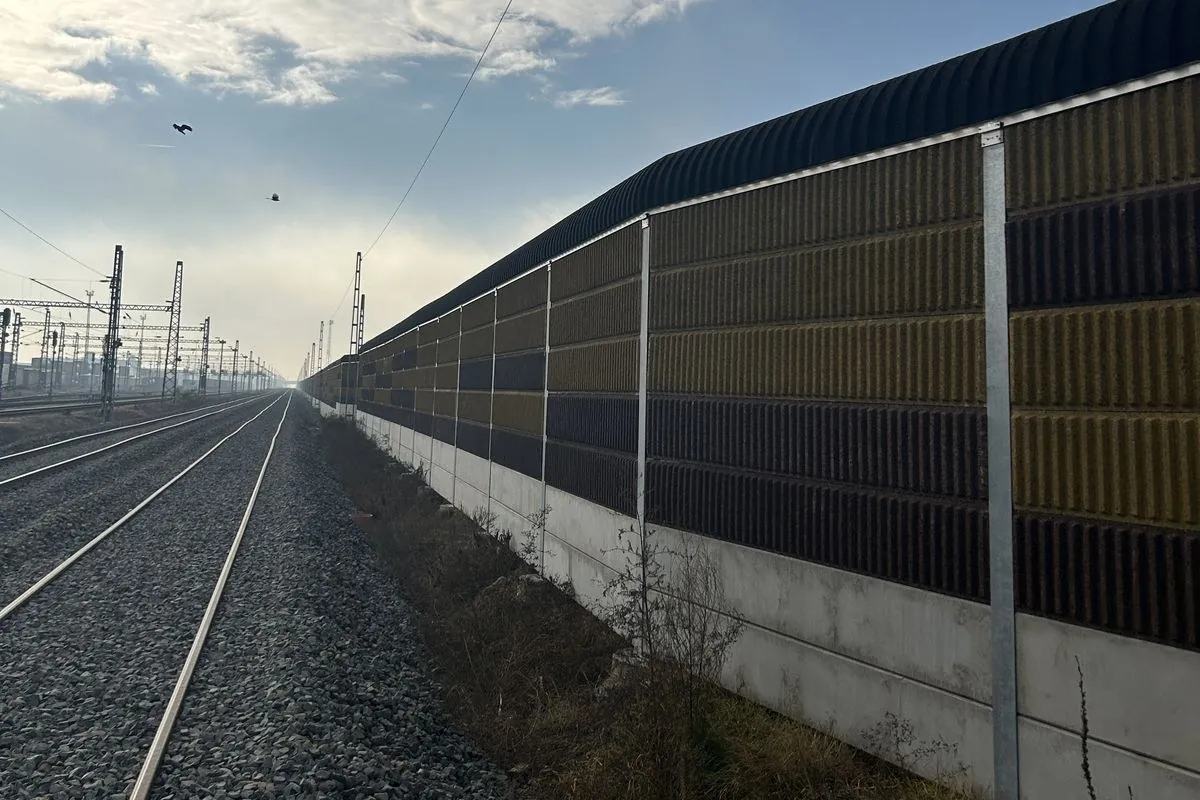
PIN is supplied for the noise barriers along the Budapest–Belgrade railway line in Hungary.
2026
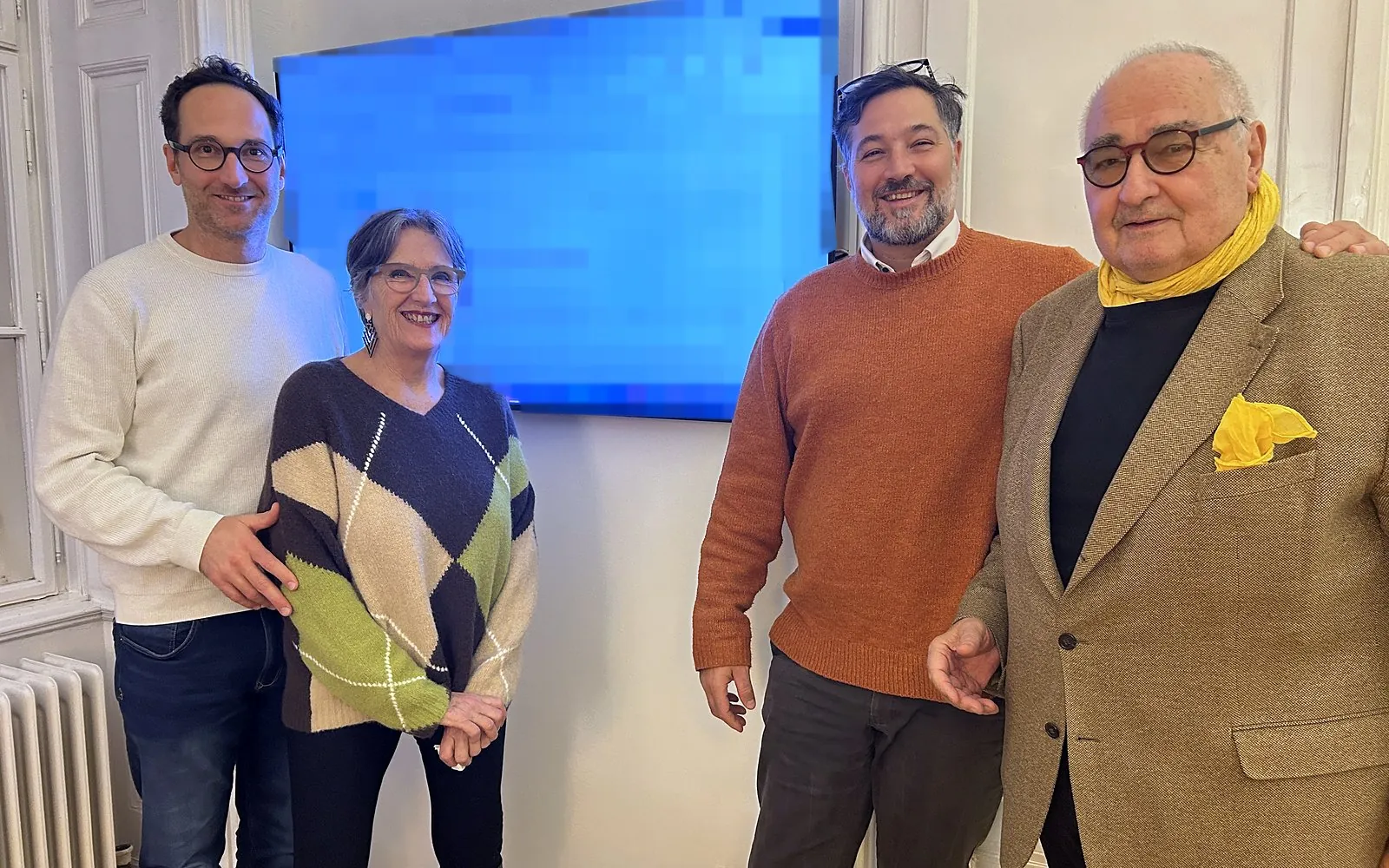
Lukas Brunbauer takes over CALMA-TEC as owner and managing director — and focuses the company on noise barrier top-edge elements.
The next chapter
Over the years, CALMA-TEC developed noise barrier constructions and absorptive systems, including early solutions for railway noise barriers.
With the generational handover comes a shift: from fundamental research and development towards applying this knowledge through mature, proven products. Lukas Brunbauer, involved since 2008 and now owner and managing director, has focused the company on noise barrier top-edge elements — on PIN.
"My father laid the foundations. It is now my responsibility to build on them."
What we stand for
01
Measurable impact where it matters.
Noise protection must deliver real acoustic benefits. We believe in independently measured performance and close collaboration with acoustic engineers.
02
Knowledge built through practice.
More than 25 years of development know-how form our foundation — from research and from practical applications.
03
Excellent solutions do not have to be complicated.
Our products are designed to be lightweight, adaptable and straightforward to install, including on existing infrastructure.
04
Reasonable in cost, strong in effect.
We aim to deliver meaningful improvements while minimising unnecessary construction work, material consumption and expense.
05
Confidence built through application.
Good ideas must prove themselves beyond the drawing board — in independent assessments and in real-world applications.
These principles are commitments against which we want our work to be judged.